
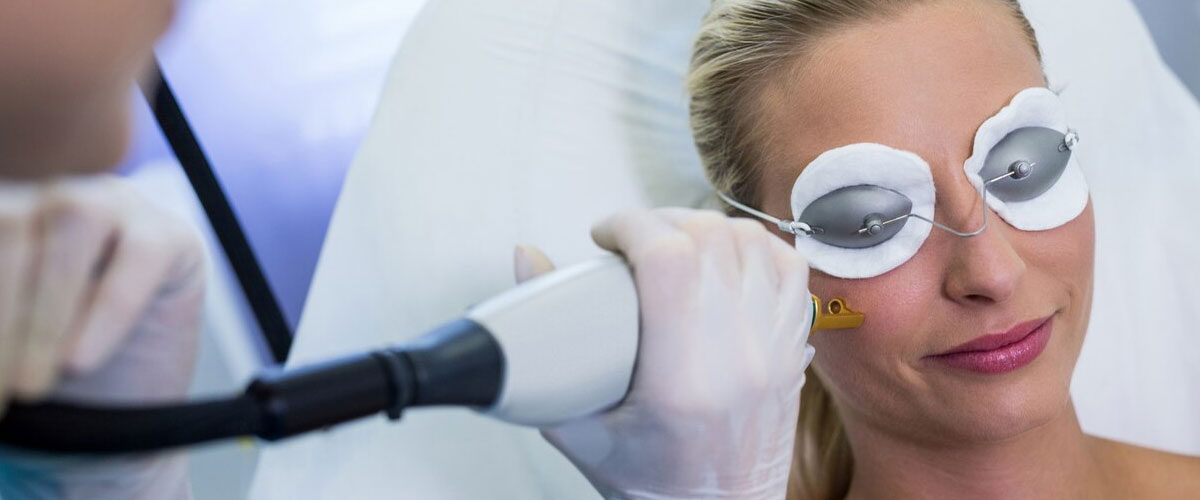
If you’ve been curious about CO2 laser resurfacing but not curious about hiding out for two weeks, CoolPeel may be exactly what you’re looking for. It’s a modern approach to fractional CO2 that targets texture, pores, fine lines, and sun damage—while keeping heat (and therefore downtime) much lower than classic CO2 resurfacing.
Below is everything you need to know: what it is, who it’s for, what recovery looks like, and how it compares to other popular lasers.
What is CoolPeel?
CoolPeel is a specific type of fractional CO2 laser treatment performed using Tetra system CO2. The idea is simple: deliver very short, precise CO2 pulses to resurface the superficial skin layers without excess thermal (heat) damage to surrounding tissue. Less heat generally means less redness, less swelling, and a shorter social downtime.
Even though it’s “low downtime,” it’s still doing real work: fractional CO2 creates microscopic treatment zones that stimulate collagen and renewal while leaving surrounding skin intact to speed healing.
Most commonly treated concerns include:
- Rough texture and crepey skin
- Enlarged pores
- Fine lines (especially around the eyes and mouth)
- Sun damage and dullness
- Mild acne scarring and superficial pigmentation (case-by-case)
Who is CoolPeel for?
You’re typically a great candidate if you want noticeable resurfacing but need to be back to life quickly (work, events, travel, etc.). It as a “minimal downtime” CO2 option for improving fine lines, sun damage, pores, and texture.
You may be an ideal fit if you:
- Want CO2-level glow/texture improvement, but not a prolonged recovery
- Have early-to-moderate signs of aging (fine lines, roughness, pore visibility)
- Prefer gradual improvement over a series rather than one aggressive treatment
When you might a customized setting with deeper penetration:
If you have deeper wrinkles, advanced sun damage, significant laxity, or deeper scars, you may benefit more from a stronger resurfacing setting
- If you’re very tan or prone to post-inflammatory hyperpigmentation, your provider may adjust the approach or recommend another modality, since pigment risk can increase after resurfacing in certain skin types and circumstances.
Common reasons we postpone treatment:
- Active skin infection, open lesions, or significant irritation
- Recent isotretinoin use (many protocols require a washout period)
- Pregnancy/breastfeeding (often a conservative “wait” in aesthetic medicine)
- History of poor wound healing/abnormal scarring (individualized)
What to expect after CoolPeel
Most people describe CoolPeel recovery as feeling like a sunburn for a day or two, followed by mild dryness or a “sandpapery” phase as skin sheds.
A commonly cited window is:
- Day 1–3: redness (sometimes mild swelling)
- Day 3–7: dryness, flaking, makeup may be limited depending on how you’re healing
Keep in mind: settings matter. A more aggressive pass or combined treatment plan can extend downtime.
CoolPeel aftercare instructions (simple + effective)
Aftercare can vary slightly by provider, but these are widely used best practices:
The first 24–48 hours
- Hands off: don’t pick, scrub, or exfoliate.
- Gentle cleansing only (lukewarm water, bland cleanser).
- Moisturize aggressively with a healing ointment or simple barrier-supporting moisturizer (your provider will recommend what they prefer).
- Avoid makeup and sunscreen for ~48 hours or until your provider says your skin barrier is ready.
- Avoid heat and heavy sweating (hot yoga, saunas, intense workouts) until redness resolves.
Days 3–7
- Add SPF daily once you’re cleared to do so (typically after the first couple of days and once skin is intact).
- No retinoids, acids, or exfoliants until fully healed (your provider will give the timeline).
- Stay out of direct sun—this is the #1 way to reduce pigment problems and protect results.
If you’re prone to cold sores
Many providers prescribe antiviral prophylaxis around CO2 treatments (even low-downtime ones), because resurfacing can trigger outbreaks. Follow your prescriber’s protocol exactly.
Call your provider urgently if you develop:
- worsening pain, increasing heat, pus-like drainage, or expanding crusting
- fever/chills
- a rapidly spreading rash or blisters
(These can signal infection or an inflammatory reaction and should be assessed quickly.)
How CoolPeel stacks up against other lasers
CoolPeel is often better when your goal is meaningful resurfacing with minimal downtime.
Where CoolPeel shines
1) CO2-level resurfacing with less downtime
Traditional CO2 resurfacing is effective, but it can come with a longer healing period. CoolPeel was designed to reduce thermal damage, which is a major contributor to prolonged redness and recovery.
2) Texture + pores + fine lines in a “weekend-friendly” window
This is the sweet spot: the benefits people want from resurfacing without the “why is my face still red?” timeline that classic CO2 can bring.
3) Precision and customization
CoolPeel can be part of a broader CO2 platform that allows providers to adjust depth and intensity for different zones (eyes, mouth, cheeks), making it easier to tailor treatment to your skin and goals.
Where another laser (or device) may be the better choice
- Redness/rosacea: vascular lasers (like pulsed-dye) are typically more targeted than CO2 for flushing and broken capillaries.
- Melasma: heat can be a trigger for some patients—many providers choose specific pigment-focused lasers or very cautious protocols depending on your history.
The takeaway
CoolPeel is a modern fractional CO2 resurfacing option that can deliver smoother texture, refined pores, and brighter, more even-looking skin—with far less social downtime than traditional CO2 resurfacing for many patients.